On Friday, the customs representative says the car has been released. The owner calls the temporary storage warehouse to arrange collection, only to hear that the warehouse has not yet received the information needed to hand it over. Collection is offered on Monday, with Saturday and Sunday added to the storage bill.
Contents
Why the release date is not enough
When customs temporary storage ends
In this ordinary release scenario, the car's customs temporary storage ends, but it remains on a private warehouse site. The warehouse may still need to prepare it, check the recipient's authority, issue a gate pass and arrange access for a recovery vehicle. Those services and any continued storage must be assessed against the contract and work actually performed. Release does not rule out subsequent customs checks.
Customs must notify the temporary storage operator electronically of release. Under the Russian procedure, the warehouse receives a notification authorising handover. As a general rule, the supervising customs post creates and sends it within one hour of the document providing the basis for handover. Where another customs authority issues that document, the information first goes to the supervising post, which then prepares the warehouse notification.
Documents to request
Ask the customs representative to support the release message with the decision, its date and time, and details of the notification sent to the warehouse. Ask the warehouse for the notification's registration number, receipt date and time, and its record of when the car was ready for collection.
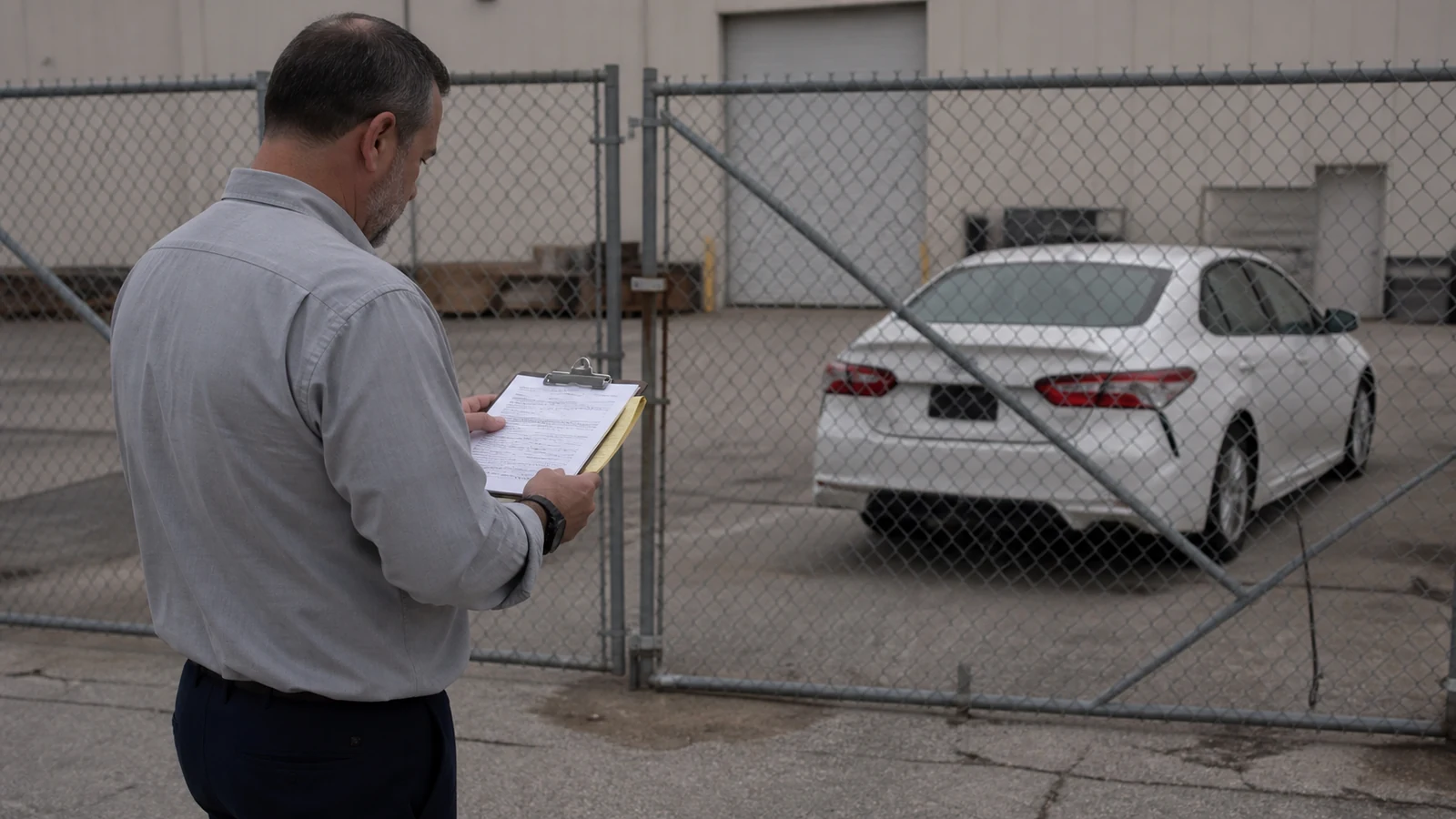
A statement that Monday is the first available slot does not establish that earlier collection was impossible. Check whether the car, documents and gate pass were ready, whether the site operated over the weekend, whether booking was required and whether the owner was told the car was ready. An appointment schedule and a genuine opportunity to collect are not necessarily the same.
Checking the warehouse invoice
Today's tariff may differ from the one in force during the disputed days. Obtain the terms and rates for each period. For additional operations, establish whether they were already included in the base price, who ordered them and what proves they were performed.
Establish separately who owes the warehouse. Owning the car does not, by itself, create a storage contract. A carrier, declarant, agent or customs representative may have placed it there. The contract may be evidenced by an order, accepted offer, correspondence, actual delivery into storage, invoices and earlier payments.

Who owes the warehouse payment?
Where an intermediary has paid the warehouse and seeks reimbursement, review the intermediary contract. Consider its authority, approval of costs, the link to the VIN and the cause of the disputed days. Payment to the warehouse does not automatically entitle the representative to pass costs caused by its own error to the client.
A storage invoice and a damages claim arise from different relationships. The warehouse may have a contractual claim for actual storage against its customer. Extra costs may nevertheless have resulted from a late customs notification, a representative's error or the warehouse's own unjustified delay. Liability for the invoice follows the storage contract. Recovery from the person responsible is a separate question, requiring the cause of each disputed period to be established.
This distinction matters even where the owner did not cause the delay. Absence of fault does not itself end a contractual payment obligation to the warehouse. It may support a claim against the party responsible for the extra costs. That requires release records, the electronic notification, evidence of readiness, correspondence and the collection time offered.
Can the warehouse retain the car?
An unpaid invoice alone does not establish a right to retain the car until full payment. Retention under Article 359 of the Russian Civil Code depends on a due monetary claim, lawful possession and the statutory conditions governing the debt, car and parties. Ask the warehouse to identify in writing the creditor, debtor, amount, due date, contractual basis and why this particular car may secure the claim.
Scrutiny is especially important where the owner did not contract with the warehouse. Establish to whom the warehouse must deliver the car, whose behalf the intermediary acted on and whether this owner's car may secure another party's debt. A later ownership transfer does not itself extinguish an existing retention right, but the warehouse must first establish that the right arose.
Why collection should not be delayed
Once the warehouse confirms that collection is genuinely possible, delay usually adds avoidable costs. Missing an available handover time may make later storage attributable to the owner. Before signing the handover record, check for acknowledgements of the entire debt, acceptance of all services or a waiver of claims.
Recording an objection to the invoice
An owner may pay a disputed amount to collect the car and stop further storage. Send a written objection to the specific charges at the same time, recording the payment's purpose and why it was made. A note in the bank transfer is less useful than a separate claim identifying and calculating the disputed period.
Evidence needed for a dispute
The review needs the release decision, notification dispatch and receipt records, correspondence with the representative and warehouse, the storage contract or offer, tariffs, itemised invoice, records identifying who placed the car in storage and the proposed collection time. Together, they help attribute each period to customs, the warehouse, representative or owner, identify the debtor and assess any retention right.
Separate customs release, handover authorisation and the warehouse bill
What to provide for an initial assessment
An initial review reconstructs the dates and identifies storage periods attributable to customs, the warehouse or the owner.
- What happened
- A customs document has arrived
- Why it matters
- the first response records your account of the transaction and can affect an appeal, court case, payments and penalties
- Deadline
- receipt date and response deadline
- Scope of work
- review of the handover timeline and storage charges
- customs release decision
- handover authorisation
- warehouse invoice and tariff
- correspondence on collection times