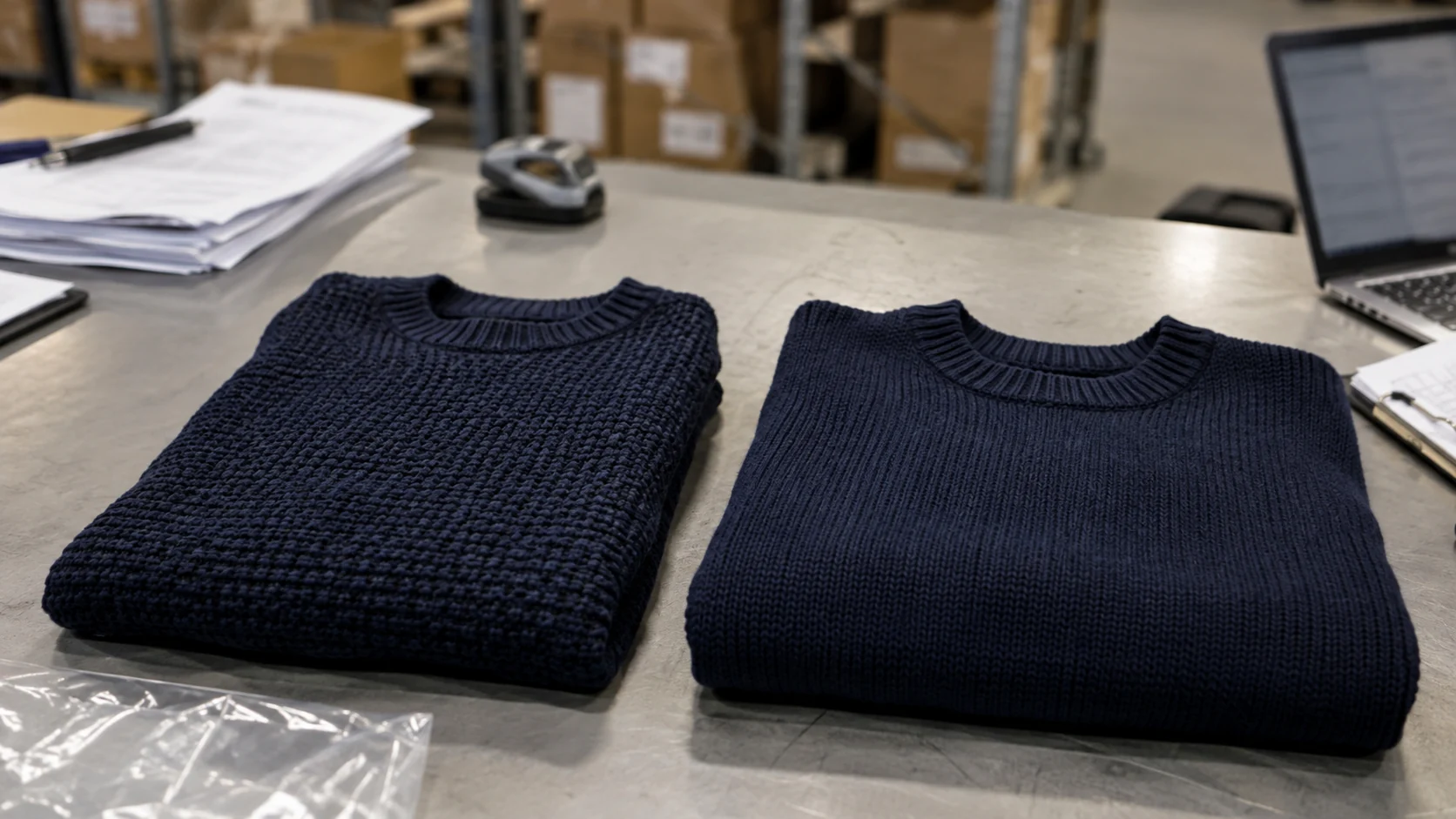
Products sold under the description “industrial filter” can be designed for different operating conditions. The buyer may care about pressure, capacity, material and service life. A more expensive series may look similar, but its price may reflect characteristics that the other filter does not have.
Under method 3, the transaction value of similar goods is used for the customs calculation. They may differ from the imported goods, but they must be suitable for comparison under the requirements of the Code. A shared purpose such as “liquid filtration” and the name of the same factory are therefore not enough to select a comparison product.
Before reaching this calculation, the two preceding methods must be considered. Method 1 is based on the transaction involving the imported goods themselves, and method 2 on the transaction value of identical goods. Article 42 of the Customs Code of the Eurasian Economic Union (EAEU Customs Code) permits a move to method 3 when neither of those methods can be applied. If the importer has a suitable shipment of identical goods, customs must assess that information before turning to other goods that are merely similar.
The starting amount for method 3 is the customs value of similar goods previously determined under method 1 and accepted by customs. An online store listing or catalogue may help to understand the market. But the calculation under method 3 requires an accepted customs value from a suitable shipment. An invoice, meaning the seller’s commercial bill, does not replace it either.
Under Article 37 of the EAEU Customs Code, similar goods have similar characteristics, consist of similar components and are produced from the same materials. Those properties must enable them to perform the same functions and be commercially interchangeable. Quality, reputation and the existence of a trademark are also taken into account in the comparison.
| Composition | The same materials |
|---|---|
| Use | The same functions |
| Market | Commercial interchangeability |
Commercial interchangeability means that one product can be used instead of another for the same task, taking account of its characteristics and market position. For an industrial filter, this may depend on capacity, pressure, filtration rating, material, operating temperature range and service life. The general purpose “liquid filtration” does not disclose those properties.
A TN VED code - the commodity code in the Commodity Nomenclature for Foreign Economic Activity - is used for customs classification. Different models may fall under the same commodity heading. A matching code therefore does not establish similarity without comparing the technical properties of the goods.
Consider a hypothetical example. A company imports series A filters. Series B from the same manufacturer is selected for method 3. Assume that methods 1 and 2 are justifiably inapplicable, both series were produced in the same country, and no design or similar work in respect of these goods was carried out in the EAEU. The casing design differs between the series, but their characteristics are similar, their components are similar, the materials are the same, and their operating parameters allow them to perform the same functions. Their quality and reputation are comparable, and series B can be used by the buyer instead of series A. On those assumptions, the difference in product numbers does not by itself prevent the goods from being treated as similar.
If series B can withstand high temperatures but series A cannot operate under those conditions, the possibility of substitution for that task changes. The difference now concerns the use of the filter. The temperature-range values in the technical documents can explain why one series cannot replace the other for a buyer who needs that operating regime.
The technical comparison is therefore better built around the characteristics that can actually affect similarity. If the dispute concerns temperature, a data sheet showing the temperature range will be useful. If it concerns material, use a document that states the material. If it concerns operating conditions, use a technical description for the particular model. There is no universal mandatory set of documents for every type of goods.
Catalogues also require care. A general factory catalogue may describe an entire product line without showing the properties of a particular series. If the goods were produced in several versions or the model changed over time, it is necessary to make sure that the description found relates to the period and version of the shipment in dispute.
Quality, reputation and trademark matter, but a difference in brands alone does not rule out method 3. Article 37 requires the trademark to be considered together with the other criteria. If a better-known brand genuinely sells at a higher price because of its market position, that difference should be linked to the specific products. General labels such as “premium brand” or “budget brand” do not show how interchangeable the goods are or why their prices differ.
The manufacturer is checked separately. Similar goods made by the same manufacturer are considered first. Products from another manufacturer are used if similar goods made by the same manufacturer have not been identified or the available information about them is unsuitable for use. The seller and manufacturer should therefore not be confused. A trading company may sell products from several factories under one invoice.
For method 3, the country of production must also be the same. The place of dispatch or the seller’s place of registration does not establish this. Paragraph 6 of the Rules approved by Decision No. 202 of the Board of the Eurasian Economic Commission (EEC) dated 30.10.2012 distinguishes the country of production from the country of origin. If the documents name different countries, it is necessary to establish where the goods were actually produced.
Article 37 contains another limitation. Goods are not treated as similar for this purpose if design, development, engineering, engineering design, artwork, design development, sketches, drawings or other similar work in respect of them was carried out in the EAEU. For mass-produced goods, the issue may not arise. For goods made to an individual project, the contract, technical assignment and information about where the development work was carried out will matter.
There is also a time requirement. Similar goods must have been sold for export to the EAEU and imported in the same or a corresponding period, but not more than 90 calendar days before the shipment being valued was imported. Paragraph 9 of Rules No. 202 uses the date when the goods arrived in the Union territory for this calculation. The contract, invoice or release date may therefore differ from the date needed to check the 90-day period.
Market conditions are also taken into account within that period. If the price of the goods changed materially because of seasonality, shortages or demand, nearby dates alone do not guarantee comparability. Such an argument should be linked to data for the goods themselves and the relevant period.
After selecting similar goods, the terms of sale must be compared. Paragraph 1 of Article 42 of the EAEU Customs Code first directs the comparison to the same commercial level and substantially the same quantity. If no such sales exist, another shipment may be used with an adjustment. The amount of the adjustment must be supported by documents and may either decrease or increase the value. If a required adjustment cannot be calculated reliably, the selected value cannot be used under method 3.
A significant difference in transport costs, related operations and insurance caused by distance or mode of transport is also taken into account separately. If, after all necessary adjustments, several suitable values remain, the lowest is used.
The importer will not always see all commercial documents for another shipment. Rules No. 202 provide for consultations with customs subject to trade-secret restrictions. It is therefore useful to state precisely what is missing for verification: a technical characteristic, manufacturer information, arrival date, quantity, terms of sale or the starting accepted value.
A more expensive filter may be suitable for comparison if its properties and shipment terms meet the requirements of method 3. Or it may turn out to be a product designed for a different operating regime. That difference is explained by the technical documents for the particular model. Those documents determine whether there is a basis for using the price of the selected series, while subsequent adjustments account for differences in the terms on which it was sold.
Andrey Bernev, customs lawyer