International trade: connecting the transaction with customs
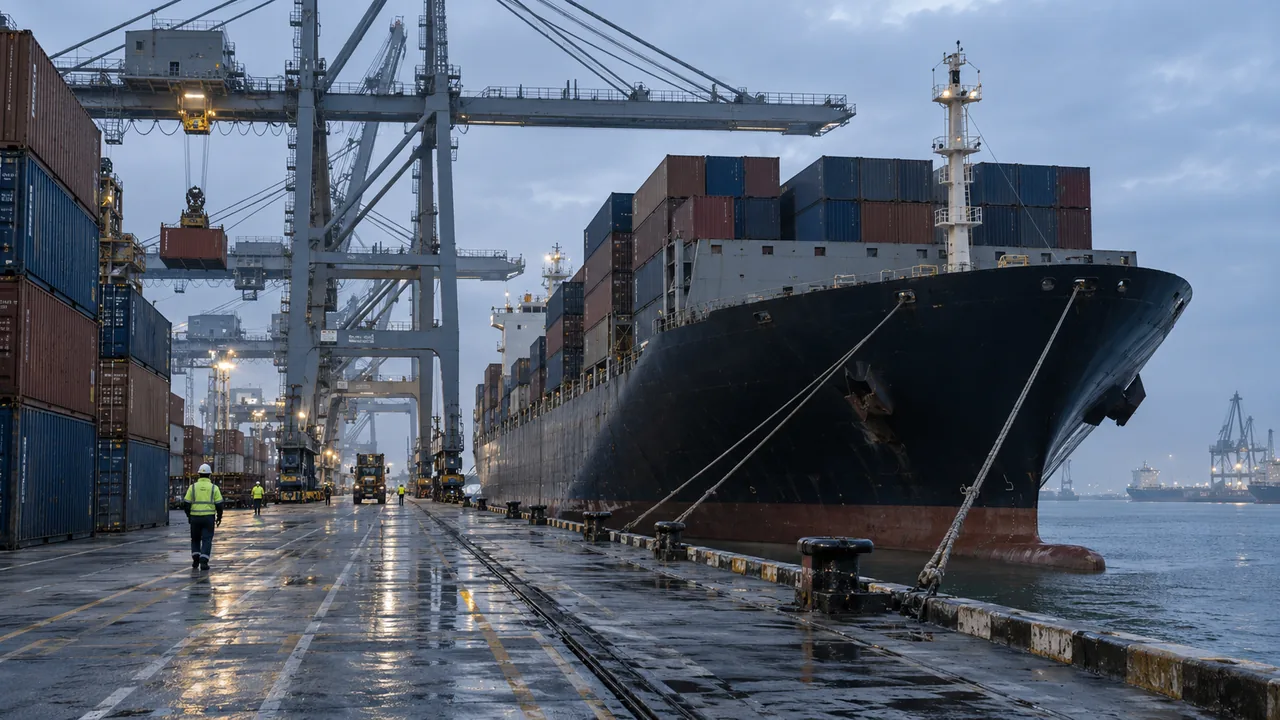
Contracts, payments and delivery
International trade: connecting the transaction with customs
Contracts, invoices, payments, delivery terms and transport: where commercial decisions create customs risk.
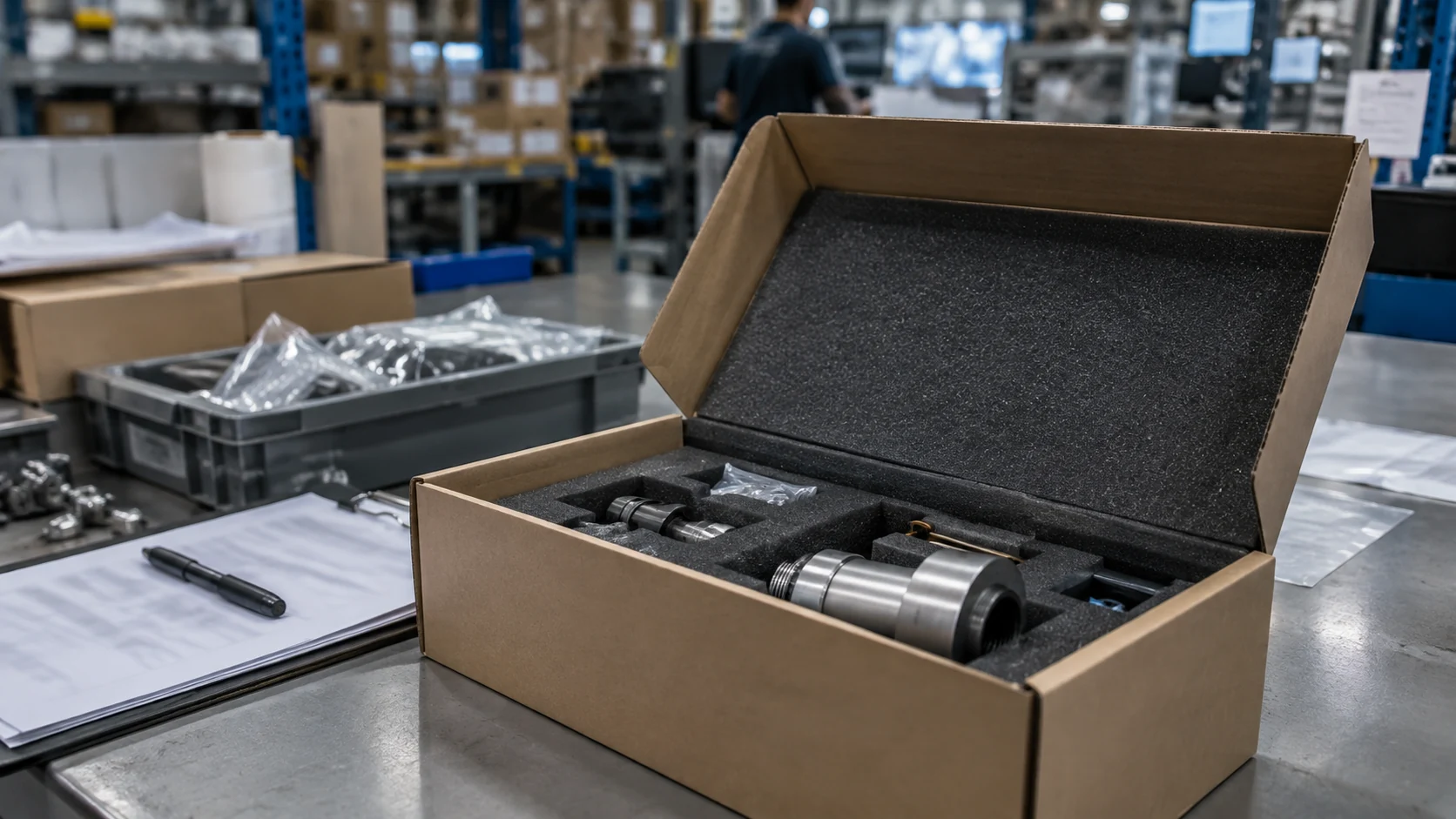
Samples and warranty spare parts were sent free of charge: what value should be declared
The recipient may pay the supplier nothing at all for a test sample or a warranty spare part. The invoice may then state free of charge.

A mould was paid for separately: how to account for it when importing the manufactured goods
A mould may remain at a foreign factory for its entire useful life. Only the housings or parts made with it will be shipped to Russia.

Royalties for a brand: which contract terms affect customs value
A fee for the right to operate under a brand may depend on sales in Russia: the goods have already been imported, but the final amount is not yet known. This remuneration is called a royalty.

Fall-back method: how to check the comparable goods and every addition to customs value
Delivery and several adjustments were added to the price of another party's goods - and the customs value of your shipment increased. Under the fall-back method, an error may arise both in selecting the goods for comparison and in the calculation itself.

Customs applied method 6 immediately: how to check why the earlier methods were skipped
A foreign factory may refuse to disclose its production costs. Without them, method 5 may be inapplicable.

Method 5: what information will be needed from the foreign manufacturer
The buyer knows how much it pays for the equipment. But how much did the factory spend to make it?

Method 4: how customs value is calculated from the sale price in Russia
The price at which an importer sells goods in Russia may include delivery, customs payments, trading costs and profit. If that entire price is simply used for the customs calculation, it will include amounts that method 4 requires to be deducted.
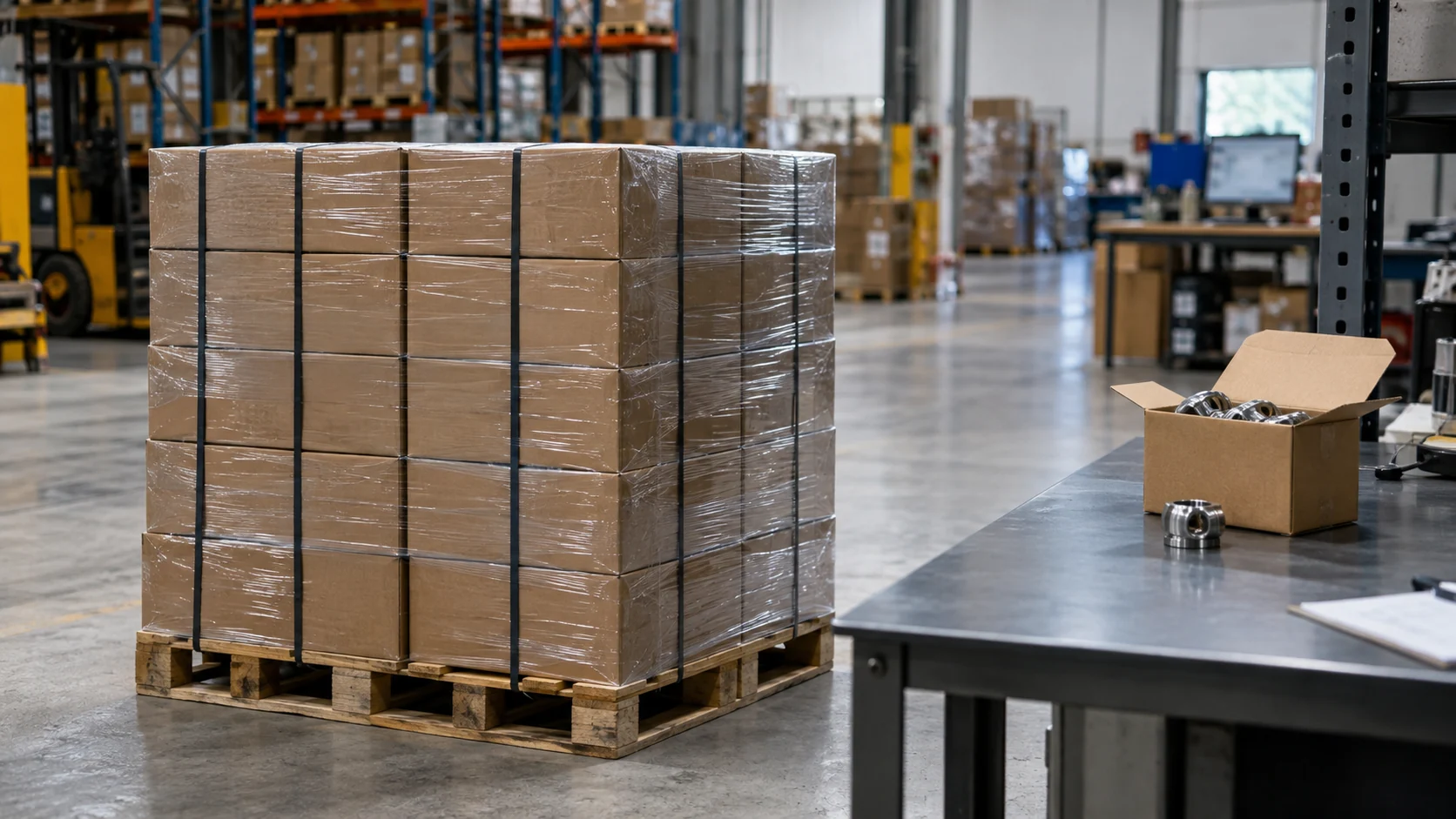
Your shipment is wholesale, but the comparable shipment costs more: how to check adjustments under methods 2 and 3
Shipping a small batch by air can cost more per unit than moving a large batch by rail. A seller may also set different prices for one hundred and one thousand units.

Method 3: when similar goods are suitable for comparison
Products sold under the description “industrial filter” can be designed for different operating conditions. The buyer may care about pressure, capacity, material and service life.

Method 2: how to check whether customs really compared identical goods
Two pumps may have the same name and fall under the same customs code even though one is made of cast iron, the other of stainless steel, and their power ratings differ. Their prices may differ as well.

Buyer and supplier belong to the same group: how to support the price for customs
Within a group of companies, the price of goods may be calculated under common rules: from cost, with an agreed markup, or with an adjustment for purchase volume. When such goods are imported into Russia, customs is interested in how the price was formed and whether the relationship between the seller and buyer affected it.

The supplier gave a discount: how to support the price under method 1
A discount for a large order can reduce the purchase price, but on import that saving sometimes has to be explained again - this time to customs. The seller’s price list shows one price, while your invoice shows another.

Customs thinks the goods are priced too low: how to check the grounds for rejecting method 1
Buyers can pay different prices for the same goods. One buys a small batch at the list price, another gets a discount for a large order, and a third is offered the remaining stock from a previous series.

Payment Agent and Customs Value: How to Substantiate the Transaction Price
Customs requests payment documents and sees the following: under the contract, the buyer is a Russian company, but the money was transferred to the foreign seller by a payment agent. In another shipment, the buyer paid not the seller but a third-party company designated by the seller.

Paying a Chinese Supplier Through an Agent: When Payment to a Third Party Discharges the Debt
At 18:40, the day before payment is due, the manager of a Chinese factory sends new bank details via WeChat:

Importing Samples for Certification: Documents and Customs Clearance
The supplier is ready to ship the products, but their certificate has yet to be obtained. The laboratory needs samples first.

Payment to China for goods said to be customs-cleared in Kyrgyzstan: what to check before an advance
A Kyrgyz company invoices a Russian buyer. The CMR states that the goods were accepted for carriage in Kyrgyzstan. The seller says the Chinese goods have already been customs-cleared, but asks for payment to be sent elsewhere in the transaction chain.

One freight invoice from China: what belongs in customs value and how to avoid counting the same cost twice
The goods are already in Vladivostok and the declaration must be filed. The invoice states FCA Shenzhen, while the forwarder has issued the Russian buyer one combined invoice covering collection from the supplier, terminal charges in China and sea carriage.

Marketplace order, Alipay and bank show different amounts: which value will customs accept?
The marketplace order shows CNY 1,200. Alipay shows a transaction for CNY 1,130. The bank debited the rouble equivalent and charged a separate fee. A postal declaration or express-carrier document is also part of the record.

Supplier presses for payment while the documents do not match: what this means for the importer
Consider a shipment with several common discrepancies at once. The supplier says the goods are ready, the container is booked, loading is scheduled for the morning and the balance of the price must be paid today.

Contract in USD, invoice in EUR, payment in RUB: how to evidence the transaction price to customs
The goods have arrived but were not released on the expected day. An electronic customs message requests information about customs value: the contract is in US dollars, the invoice is in euros and the buyer paid in roubles.

An intermediary asks for an advance on a car from China: how to check the deal before paying
A manager sends an all-in calculation in a messenger. The price is well below offers from major dealers. A place on the car transporter supposedly has to be booked today, so an urgent first payment is requested. The VIN is promised later.

Two contracts, one packing list: how to separate one physical shipment for two goods declarations
One packing list can describe a single physical shipment, but it does not turn two separate transaction documents into one commercial consignment. For ordinary commercial imports, the records for the two transactions still need to support the declarations made for each.

All-in cargo at four dollars per kilogram, but the contract does not identify the goods
The purchasing team receives an offer: delivery from China at four dollars per kilogram, customs clearance included, with a 25-day transit time. An advance is requested to reserve space, while the documents are promised later.
Categories
Choose a topic
Choose a topic to see an explanation, related articles and a separate link to the legal service on the right.
Customs valuation
Customs may reject the transaction value and use another valuation method. This can bring additional charges, a security requirement, tied-up working capital and a dispute lasting months. I review the decision or request, deadline, payments and pricing evidence to determine what comes first: a response, administrative appeal, court application or refund claim.
Customs requests price evidence: the transaction value method (Method 1) and release of the goods
Read case review ↗Court decisions on customs valuationHow courts examine customs valuation evidence
Read case review ↗Customs controlCustoms asks for documents: why this is not yet a customs value adjustment or a fine
Read case review ↗Post-release checks
For a post-release check under Article 332 of the EAEU Customs Code, establish how the three-year control period applies to the shipment. By then, documents may be spread across departments and the trade team focused on new imports. The first substantive response can affect the assessment of the evidence and any additional charges. I bring the records and legal position together before that response is sent.
Contract in USD, invoice in EUR, payment in RUB: how to evidence the transaction price to customs
Read case review ↗Customs controlCalled to customs to 'give explanations': what to do before attending or signing anything
Read case review ↗Customs valuation and value adjustmentsCustoms requests price evidence: the transaction value method (Method 1) and release of the goods
Read case review ↗Appeals and administrative offence cases
The right to challenge customs decisions is set out in Article 358 of the EAEU Customs Code. The usual Russian deadline for an administrative appeal is three months; Article 198 of the Russian Commercial Procedure Code also provides a three-month court-filing period. Each has its own starting point. Time spent on an administrative customs appeal is excluded from the court period, including where the appeal is not examined on its merits; it does not restart a full three months. Missing a deadline can restrict remedies and complicate recovery. I coordinate the appeal, refund claim and any court proceedings.
Customs has issued a decision: why filing an appeal may not be enough
Read case review ↗Court decisions on customs valuationHow courts examine customs valuation evidence
Read case review ↗Deadlines and appealsCustoms document discovered late: from which date does the response or appeal period run?
Read case review ↗Recycling fee and cars
Recycling fee and excise calculations can be disputed as rates change. Recycling fee coefficients follow the applicable government resolution; excise depends on the goods' classification and characteristics. A calculation error, disputed legal basis or missed relief can lead to costly litigation in a Russian commercial court. I work on defending calculations and recovering overpayments.
Vehicle from Kazakhstan: a different surname appears in the recycling-fee calculation—should you pay a deposit?
Read case review ↗Temporary storage warehouse and vehicle customs clearanceCar held at a temporary storage warehouse: what to do first as storage charges rise
Read case review ↗Temporary storage warehouse and storage chargesCar released by customs but still held by the warehouse: which storage days are chargeable?
Read case review ↗Editorial videos
Customs law on video
Each video complements the articles by examining one disputed issue, regulatory change or court approach.
 ▶
Kazakhstan and the EU: investment, the Middle Corridor and sanctions risk
Watch on YouTube ↗ ▶
BelToll from 1 September: transit through Minsk becomes 10 times more expensive
Watch on YouTube ↗ ▶
Post-release customs valuation: how discrepancies turn into additional assessments
Watch on YouTube ↗ ▶
A declaration is not enough: gold, cash and sanctions at the EU border
Watch on YouTube ↗Archive · International trade
All articles in this category
These articles connect transaction documents with customs declarations and payments. They do not replace a review of the particular contract.
The archive loads when you first search or select a topic.
Contact
Need a specific document reviewed?
In your first message, identify the document or event, the receipt date and the nearest deadline. That helps determine whether you need a response, appeal, supplier request or a separate Zoom review.